
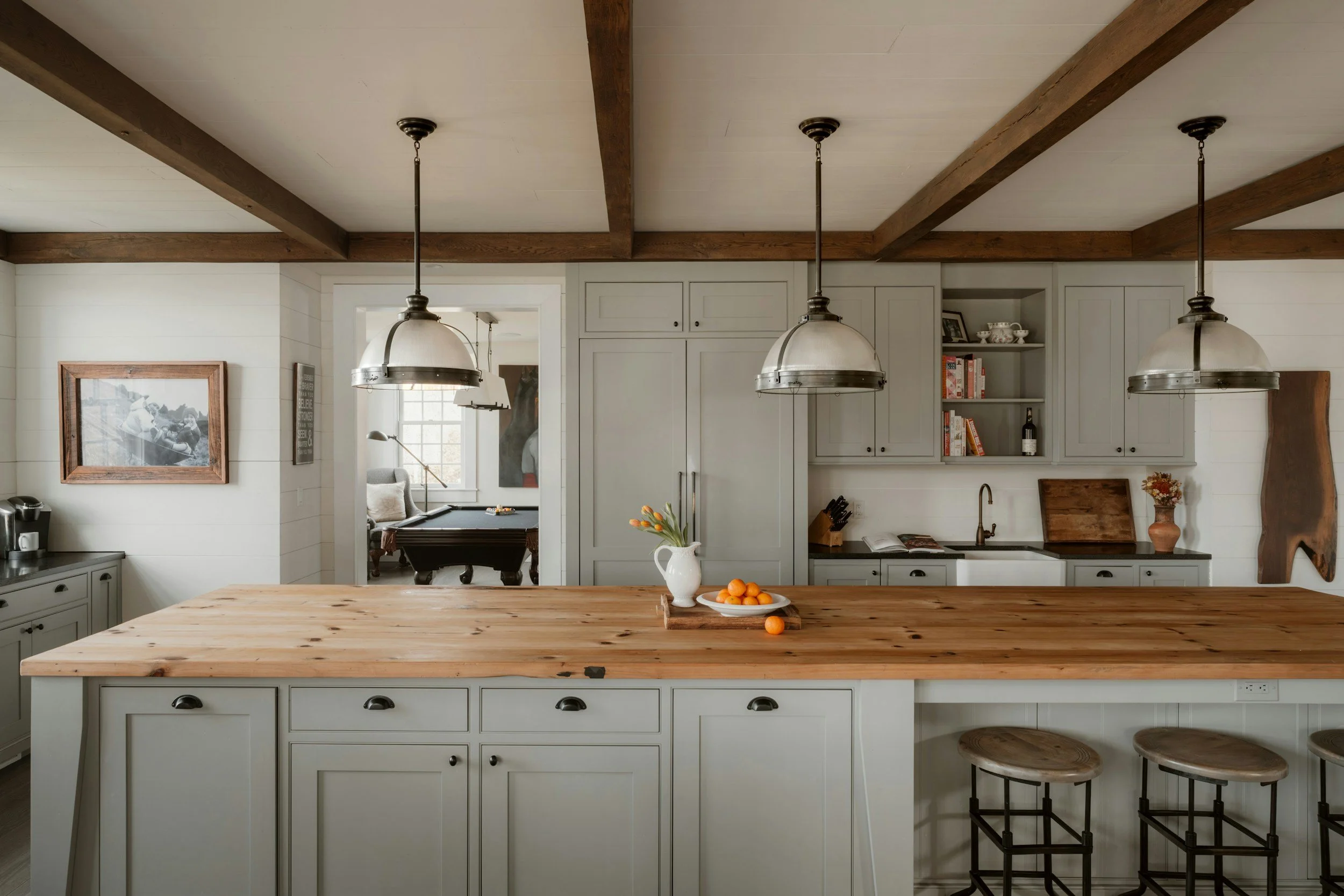
Before you sink six figures into your house, it’s worth asking whether that investment will actually give you the home — and the lifestyle — you want.
As a Realtor, I hear both versions all the time:
“We love it here. Maybe we should just renovate.”
And:
“By the time we do everything we want to this house, we may as well move.”
It’s a decision my own family has wrestled with, too.
There are plenty of things I would change about our house. But we also have a flat, private backyard and can walk to our kids’ school, a restaurant and a coffee shop. I see enough homes to know how hard those qualities would be to replace.
So for us, the question isn’t simply, Would we prefer a different house?
It’s: Would we prefer it enough to give up the things we love about this one?
That’s really the heart of the renovate-or-move decision. Before you start drawing plans or touring houses, these are the six questions I recommend working through.
1. What is it you actually want to change?
Start by separating what you want to change about your house from what you want to change about your lifestyle.
A dated kitchen, awkward floor plan or unfinished basement may be solvable through renovation. A busy road, small lot, lack of privacy, long commute or desire to be closer to schools, restaurants or friends probably isn’t.
Make two lists: what you wish were different about the house itself, and what you wish were different about where and how you live.
That distinction matters. You can renovate a kitchen. You can’t renovate your location.
2. Can your current house realistically become what you want?
Once you know what you’re trying to change, determine whether the house can actually accommodate it.
Some projects are relatively straightforward. Others require moving walls, changing rooflines, adding square footage or reworking major systems. And sometimes the lot, setbacks, HOA restrictions or structure itself limits what’s possible.
This is where it helps to get realistic information early.
Before falling in love with a renovation plan, understand what can physically and legally be done — and whether the finished product will truly solve the problem you started with.
3. What will the renovation really cost?
The construction quote is only part of the equation.
Depending on the project, your true cost may also include architectural or design fees, engineering, permits, furnishings, temporary housing and the inevitable surprises that come with opening walls.
And then there’s the cost that’s harder to put on a spreadsheet: your time and disruption.
A six-month renovation can easily become nine or twelve months. Kitchens may be unusable. Furniture gets moved. Dust gets everywhere. Decisions pile up.
That doesn’t mean you shouldn’t renovate. It just means the decision should be based on the real all-in investment, not simply the contractor’s initial number.
4. How much of that investment are you likely to get back?
Not every dollar spent on a renovation translates into a dollar of additional home value.
Some improvements can meaningfully increase marketability and resale value. Others may make the house dramatically better for you without producing the same financial return.
And that can be perfectly fine — if you plan to stay long enough to enjoy it.
The important thing is understanding the difference between personal value and market value before you spend the money.
This is also where local real estate knowledge becomes especially useful. Renovation ROI varies significantly by neighborhood, price point and buyer expectations.
The question isn’t simply, Will this add value?
It’s: How much value is the market likely to recognize — and how much of this investment am I comfortable making purely for my own enjoyment?
5. How much time and disruption are you willing to take on?
Renovations look much better in the “after” photos than they do halfway through construction.
Think realistically about what the project will require from your family.
How long will construction take? Can you comfortably live in the house during it? Will you need temporary housing? How much time will you spend making selections, meeting contractors and solving problems?
For some homeowners, the process is worth it because they love their location and want to stay long term.
For others, realizing what the renovation will require makes moving feel considerably more appealing.
Neither answer is wrong. But the disruption deserves a place in the calculation.
6. What could your current equity + renovation budget buy instead?
This is the comparison homeowners often skip.
Before committing $100,000, $200,000 or more to your current house, understand what that same money could do if you moved instead.
Start with your approximate home equity. Add the cash you’re considering investing in the renovation.
Then look at what homes are available at that purchasing power.
You may discover that renovating is clearly the better option because replacing your location, lot or other hard-to-find features would cost significantly more.
Or you may realize that the amount you’re preparing to invest in your existing home could help you purchase a property that already has many of the things you’re trying to create.
Either way, you’re making the decision with real numbers instead of assumptions.
Before You Decide
A major renovation is not only a design decision. It is also a capital-allocation decision.
Before investing six figures into a house, homeowners should understand three numbers:
The project’s true, all-in cost
The home’s likely value after the work
What their current equity plus that investment could buy instead
But the decision is not purely financial.
Some of the most valuable things about a home — the street, neighbors, backyard, schools, walkability, privacy or simply the way your family lives there — may be impossible to recreate somewhere else.
The goal isn’t to convince yourself to renovate or to move. It’s to understand what you’re really choosing between.
Bring me in before you’ve made the decision. I can help you understand your current home’s value, what your proposed improvements may mean for resale, and what your equity and renovation budget could buy elsewhere.
Sometimes that conversation leads to a move.
Sometimes it confirms that renovating is absolutely the right choice. And sometimes the conclusion is that you shouldn’t move at all.
Not sure where to begin?
I created a Renovate-or-Move Decision Worksheet to help you identify what you’re really trying to change, compare the true costs of both options and determine what information you still need before deciding.
There isn’t one right answer. But there is value in understanding both options before you commit to either.
